
Luxury has always been a barometer of what a culture aspires to. A shorthand for status, and the stories that people want to tell about themselves. Once confined to gilded boutiques and closed circles, it has steadily leaked into everyday life, reshaping how we dress, travel, eat, drink, play and relax.
Today, luxury is less a fixed category and more a moving field of desire – brands in this sphere have the opportunity to add distinction, depth, and wonder. But in an age of overload, it’s even harder to navigate, with a constant barrage of micro trends, viral moments, TikTok takeovers and an audience with an ever-diminishing attention span. We delve into some of the trends that had an impact in 2025 and are set to hold strong.
in 2026, luxury is off the pedestal and moving through the crowd
Traditional consumerism in luxury is dead – no longer something we simply buy, it’s something we live and breathe. No longer centred on ownership, but on how items and experiences enable and enhance the way we live.
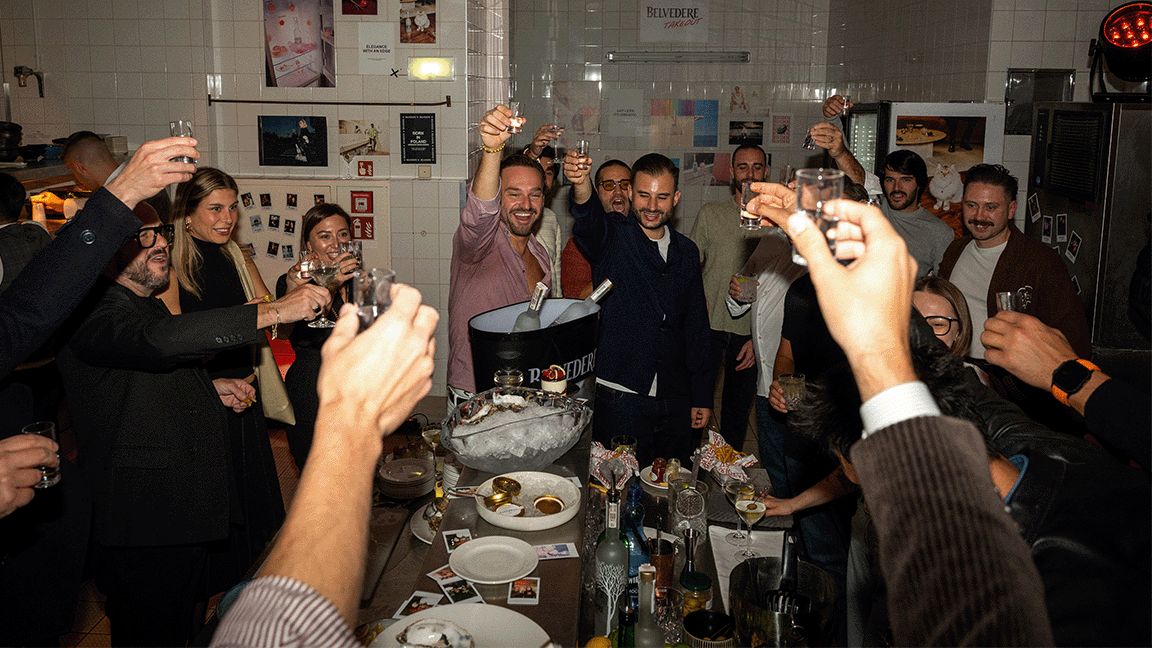
Belvedere Takeout, Paris
Until recently, the idea of ‘luxury’ was seen as a shallow pursuit, coveting a rare object on a pedestal; now it’s just as likely to be time, peace of mind, an intangible feeling, or a rare sense of belonging. As tastes fragment and values shift, the word “luxury” has become a mirror, reflecting not just what people can afford, but what they desire most in life.
And as people align themselves with brands in this intimate and reciprocal manner, brands need to be ready to take up the challenge. Search behaviour and cultural signals show that luxury is increasingly clustered around lifestyle, values, and aesthetics, suggesting that ideas of luxury are now tightly bound up with cultural identity, ethics, and self-expression.
So, in a world that feels like it’s moving at the speed of light, how do today’s brands create space and time that allow their audience to truly feel?
Personally speaking
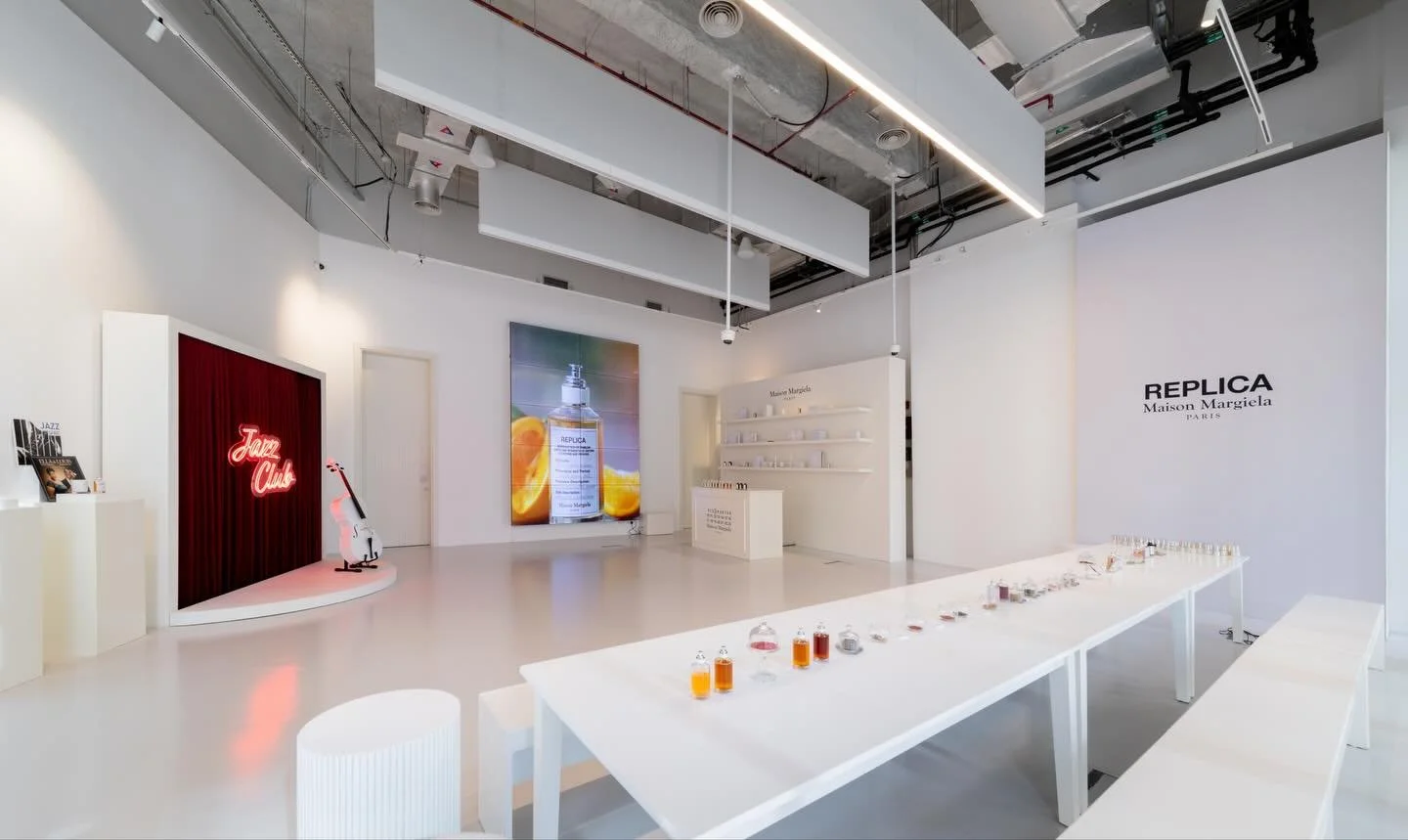
Maison Margiela’s House of Memories pop-up @foundarydowntown
Personalisation and customisation have slowly but surely become industries in their own right. As our sense of identity becomes more multilayered and kaleidoscopic, the ways in which brands respond, especially in the luxury sector, are more nuanced than ever.
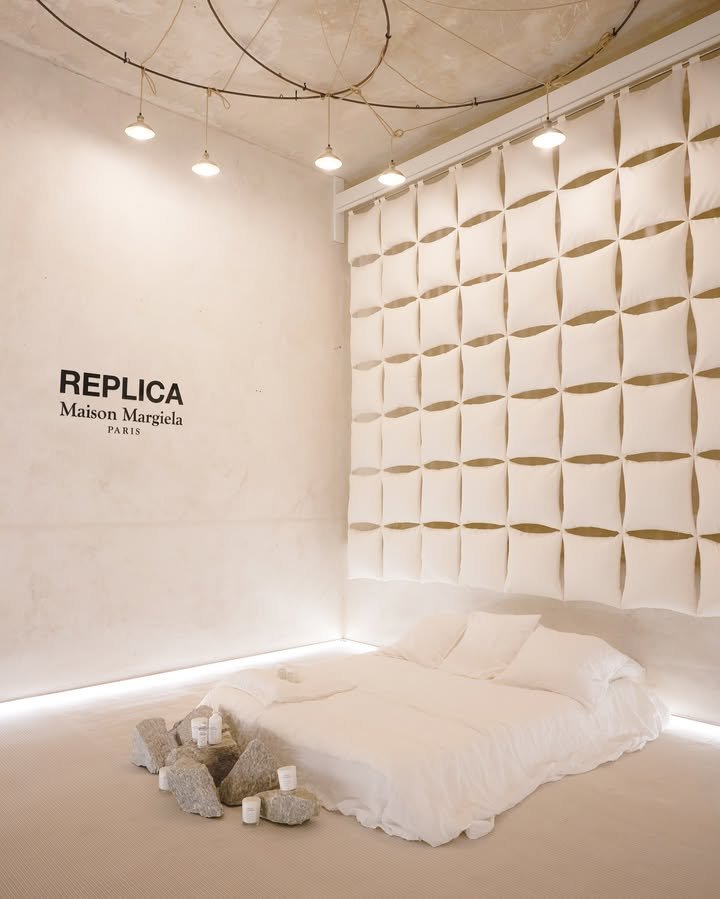
Maison Margiela fragrances Replica pop-up, Madrid
We’ve moved far beyond the world of monogrammed initials; the luxury patron today looks for hyper-curated moments, high-end invites, and exclusive community building.
But personalisation itself is a spectrum. By nature, it needs to appeal to our more human emotions, senses, desires, and memories. We all want to feel understood, validated, and part of something – albeit something that still feels exclusive.
Brands are approaching this in myriad ways, through to future-facing technology that puts a sense of control and authorship into the hands of the consumer. The real opportunity lies in combining intimacy and imagination. Giving people just enough of themselves, and just enough escape, in the same moment.
culture tilts a full 360
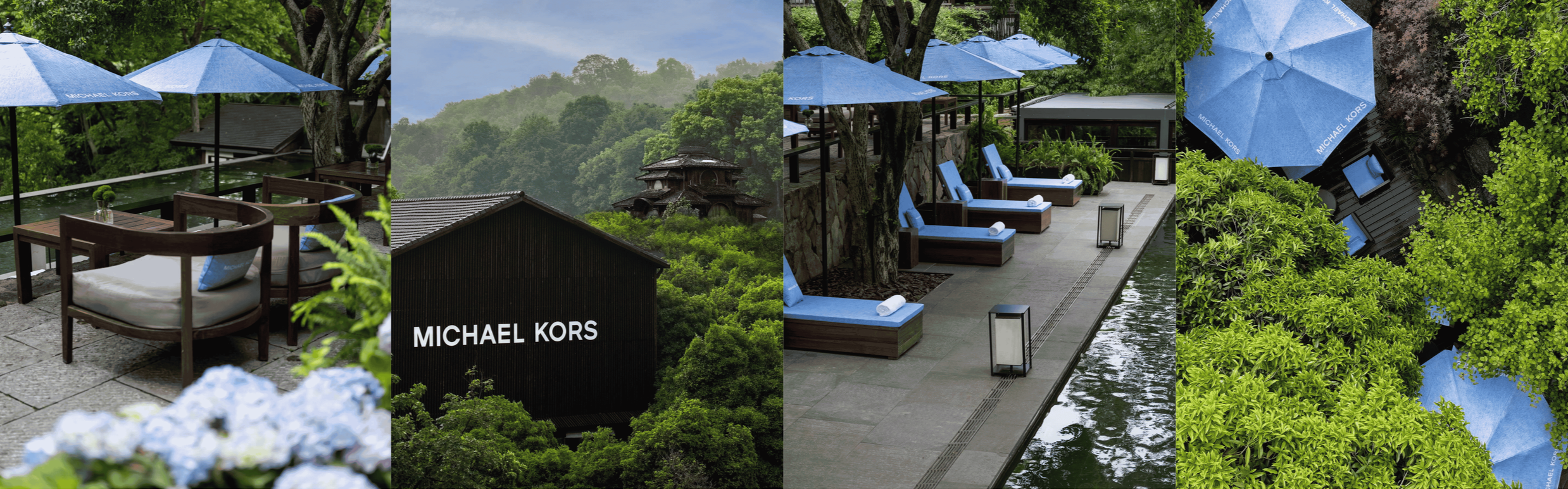
Michael Kors X Sisan Hotel in Hangzhou, China
At this point in time, it’s hard to know where brands begin and culture ends. The linear model of sponsorship has evolved into a much deeper, intuitive, and often seamless model of collaboration.
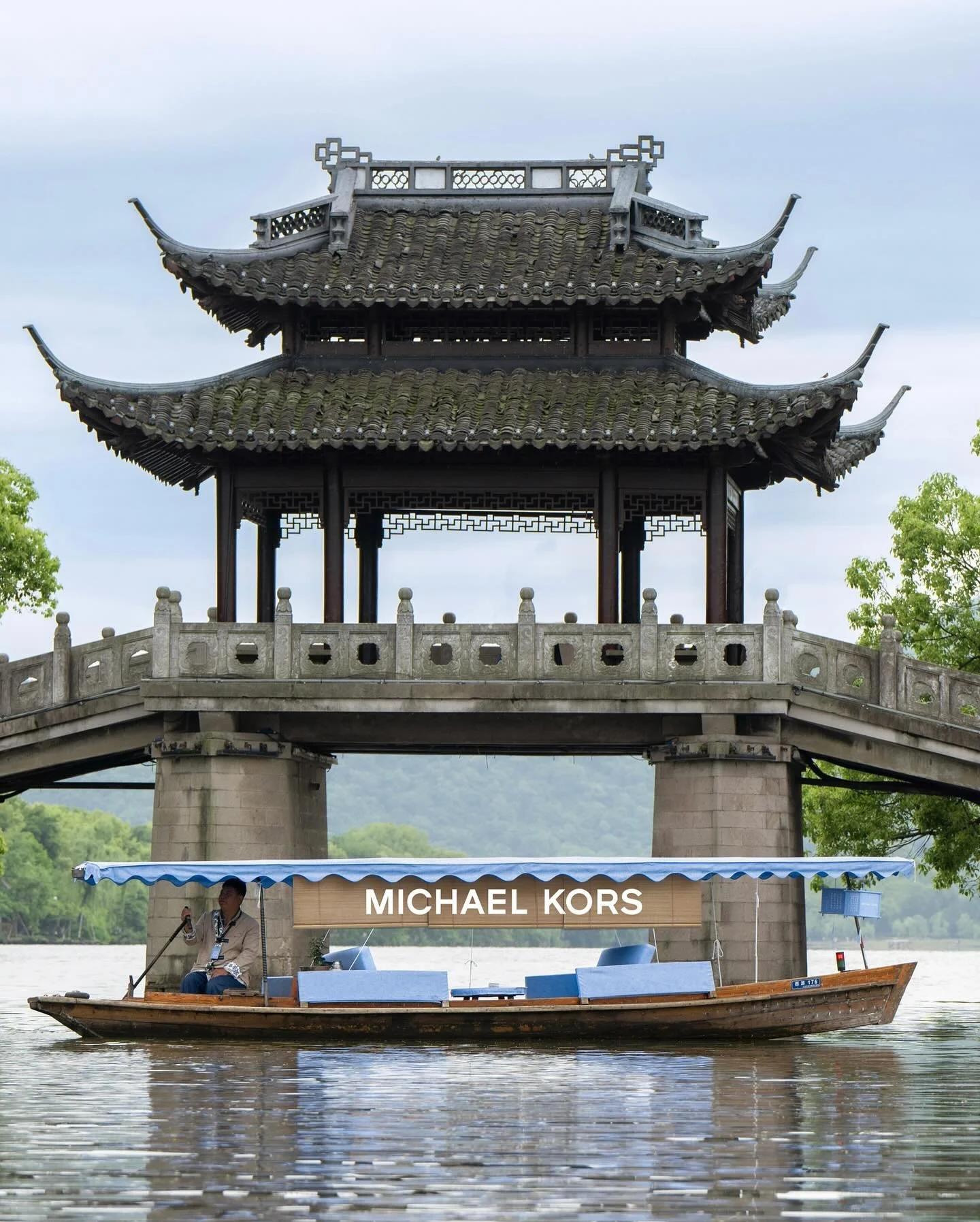
Provenance remains a top priority for luxury buyers, and they expect the brands borrowing from culture to remain reverential in doing so – raising up people, places and traditions, while at the same time protecting them and ensuring collaborations are genuinely mutual.
More than simply meeting audiences where they are, luxury brands have the resources and clout to create cultural moments themselves.
By combining sense of place, play, provenance, and curiosity, they can curate new pockets of culture and explore unexplored niches. It’s this grassroots mindset, seen through a luxury lens, that appeals to audiences’ instinctive desire to be first. First to discover and first to experience money-can’t-buy moments before they filter into the mainstream.
stage setting
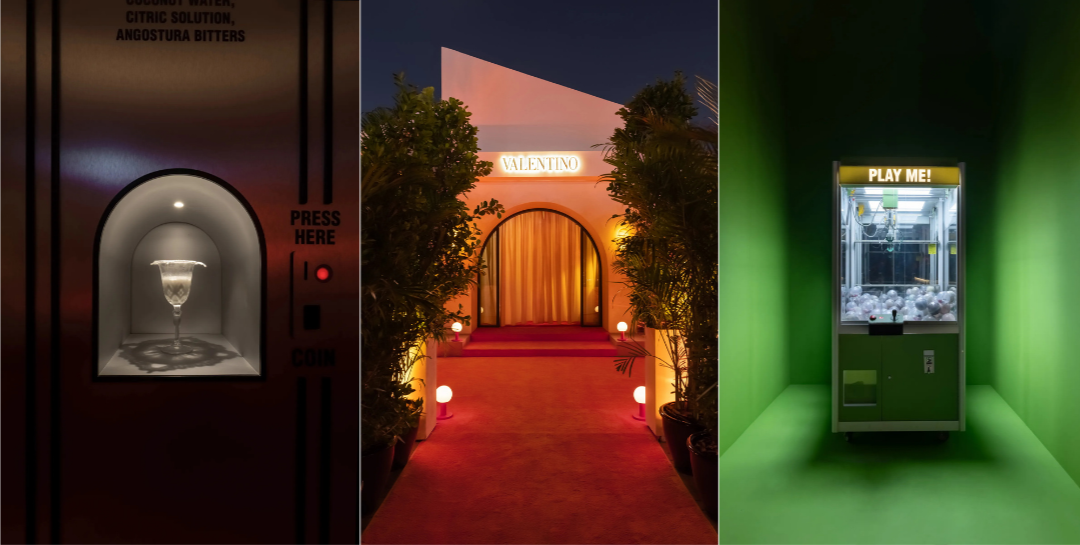
Valentino Pavillon des Folies Pop Up, Dubai
Luxury storytelling has become a true art form. It blends performance, filmmaking, and otherworldly set building, where audiences are more than just extras. Consumers want to be swept away by narratives, delighted in fantasy worlds, and enchanted beyond the day-to-day. At the same time, those narratives are evolving and deepening; brands and audiences are becoming less afraid to ask harder questions, create worlds that probe identity and culture, and tell stories with meaning beyond mere whimsy.
We’re seeing brands move into exhibitions, installations, cinematic releases, even NTFs and art objects. Luxury thrives on difference, and these kinds of media feel layered and resonant rather than simply expensive.
It’s this meaning-making that truly sets luxury brands apart: today’s luxury audiences don’t want to be simply told a story - they want to question, interpret, and play a role in it.
bold new world
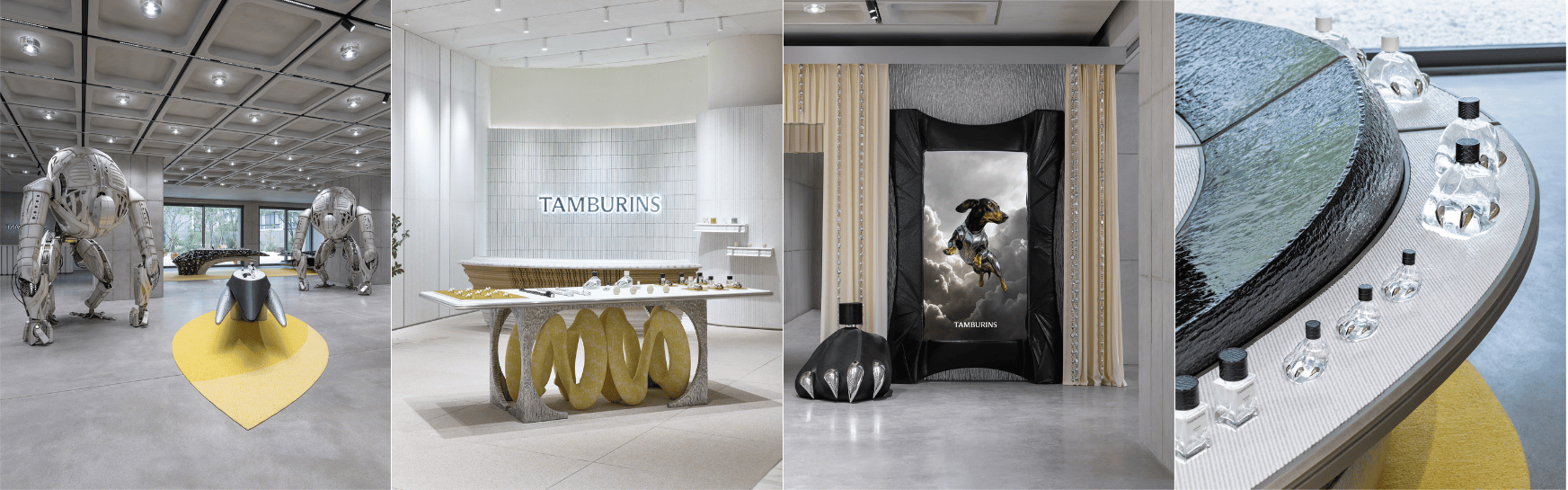
Tamburins X Haus Nowhere
Innovators, leaders, trendsetters - luxury brands have always been looking to the future. But with the acceleration of technology and AI in particular, the scope for imagination is expanding. It’s no longer enough to predict what’s coming next; it’s about prototyping a version of it.
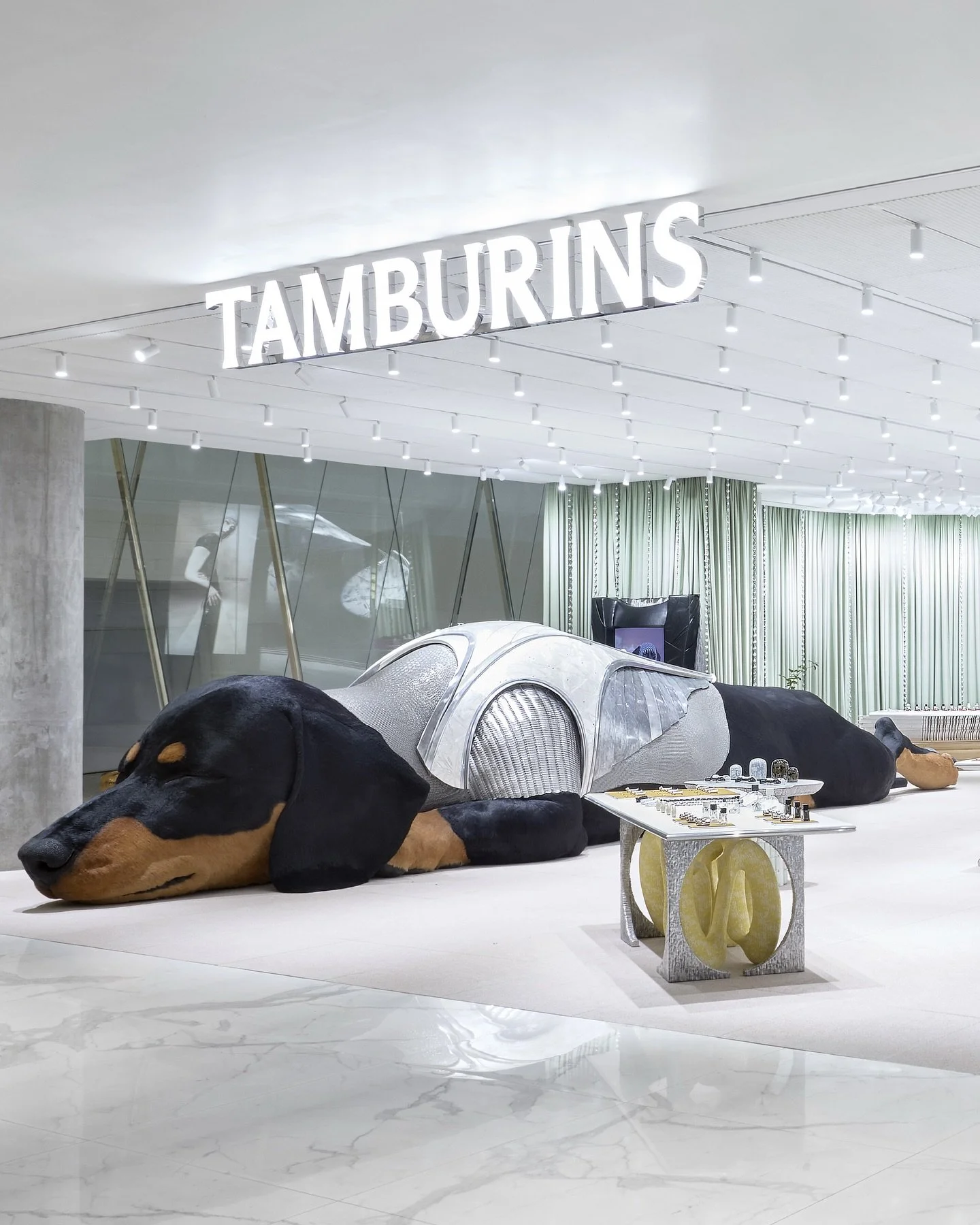
Powered by both imaginative thinking and new tools, brands can now build entire “future worlds” beyond physical goods, creating atmospheres, interfaces, and communities that exist across channels. For a new generation of consumers craving novelty and meaning over logos, cutting-edge storytelling and virtual craftsmanship have become key markers of desirability.
At the same time, retail is morphing into a seamless phygital experience. Materials, packaging, and store design now carry a futuristic charge - high-tech textiles, holographic finishes, and utopian minimalism all signal that “the future is here”. This evolution is a cultural flex. For luxury, being ahead of the curve in ideas, ethics, and execution is the new form of prestige.
what the new era of luxury means for drinks brands
‘Being there’ remains one of the most powerful tools luxury brands have. Whether that’s a brand home, a takeover, or a movable experience that lets people taste, touch, and inhabit the brand. The challenge is to make space for immersive, unrepeatable moments that leave a trace in memory and body long after the glass is empty.
Boldness and bravery still reign in luxury selling; even ‘quiet luxury’ doesn’t mean shrinking yourself. The freedom to experiment and push boundaries is a luxury in itself - but it must be coupled with precision, craft, and the acute attention to detail this audience expects. Every material, gesture, and interaction should feel intentional.
In a world of constantly shifting trends, evolving expectations, and loosening boundaries, thinking strictly within category is no longer enough. The brands that define the next chapter of luxury drinks will be those looking sideways at wider culture, taking cues from art, fashion, film, tech, and hospitality. Leading with their own clear point of view, rather than waiting to follow. Luxury’s meaning may be evolving, but for those willing to experiment with depth and integrity, that evolution is the biggest opportunity of all.