
straight up: what bartenders really think
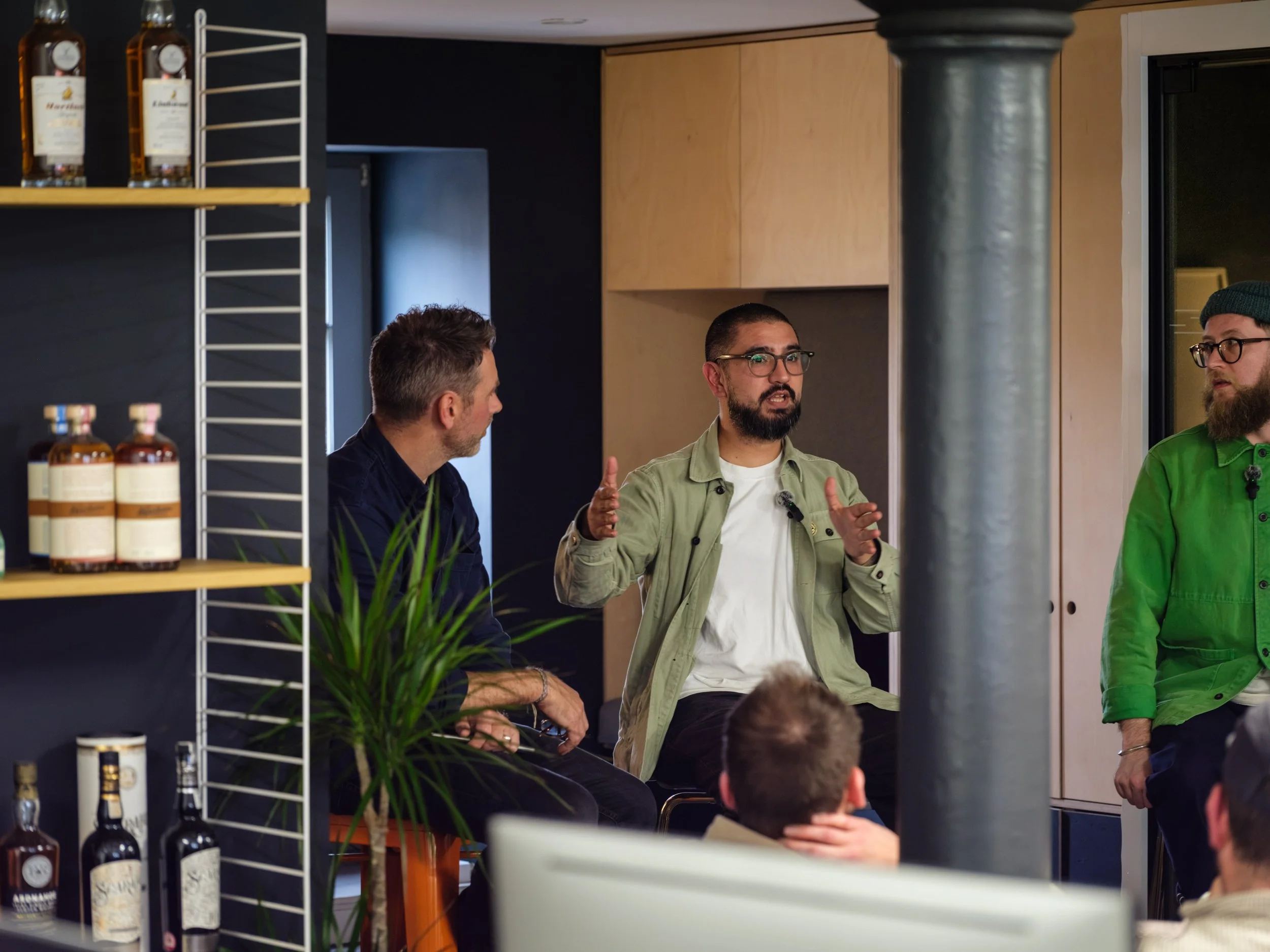
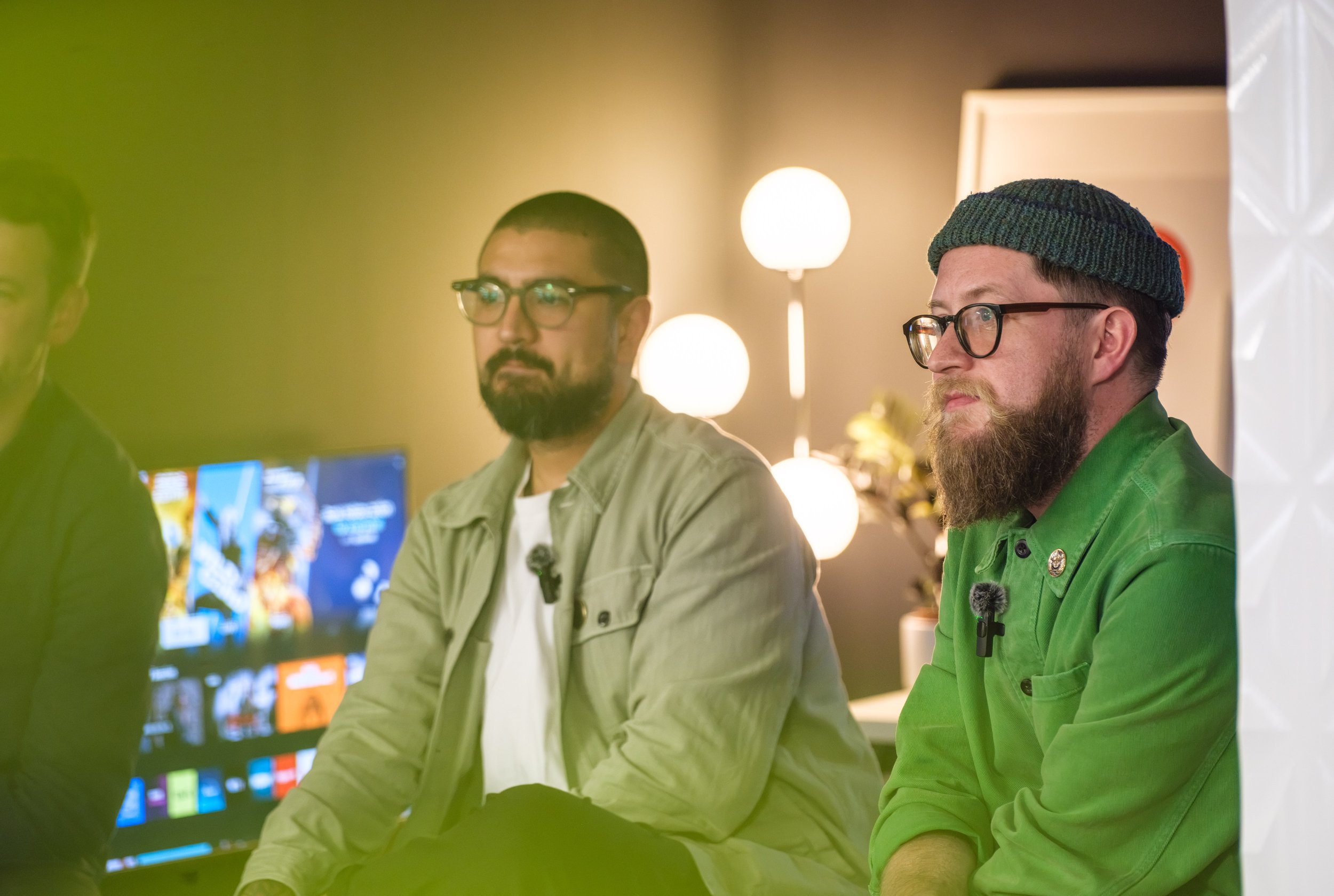
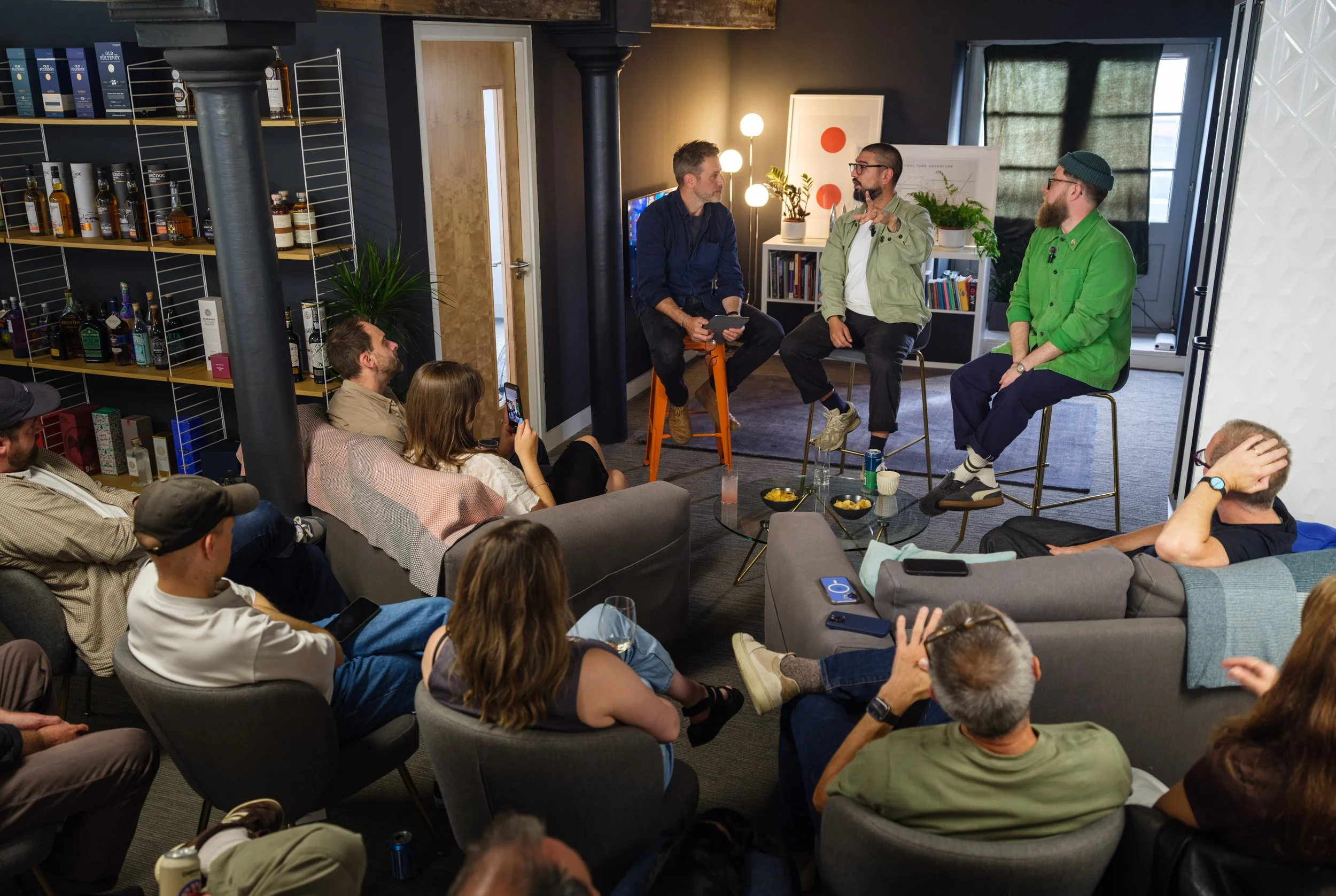
Straight Up is a new Contagious series where we sit down with the people who matter in the drinks industry and just talk, no agenda. The first session was with Mike Lynch and Kyle Jameson, co-owners of Nauticus, Dogstar and The Keelson in Edinburgh.
We sat down with Mike & Kyle for a few hours recently for our first ‘Straight Up’ conversation. They run Nauticus, Dogstar and the newly opened The Keelson in Leith, Edinburgh. Between them, they’ve spent the best part of 20 years behind bars in some of the most respected venues in Scotland - Bramble, Panda & Sons, The Devil’s Advocate. They know the industry from the inside out and candidly shared the good, the bad and the ugly of the hospitality landscape.
A single experienced bartender influences nearly 11,000 consumer drink decisions a year.* The implication is clear: how your brand is perceived by bartenders like Mike and Kyle matters significantly.
MADE IN SCOTLAND
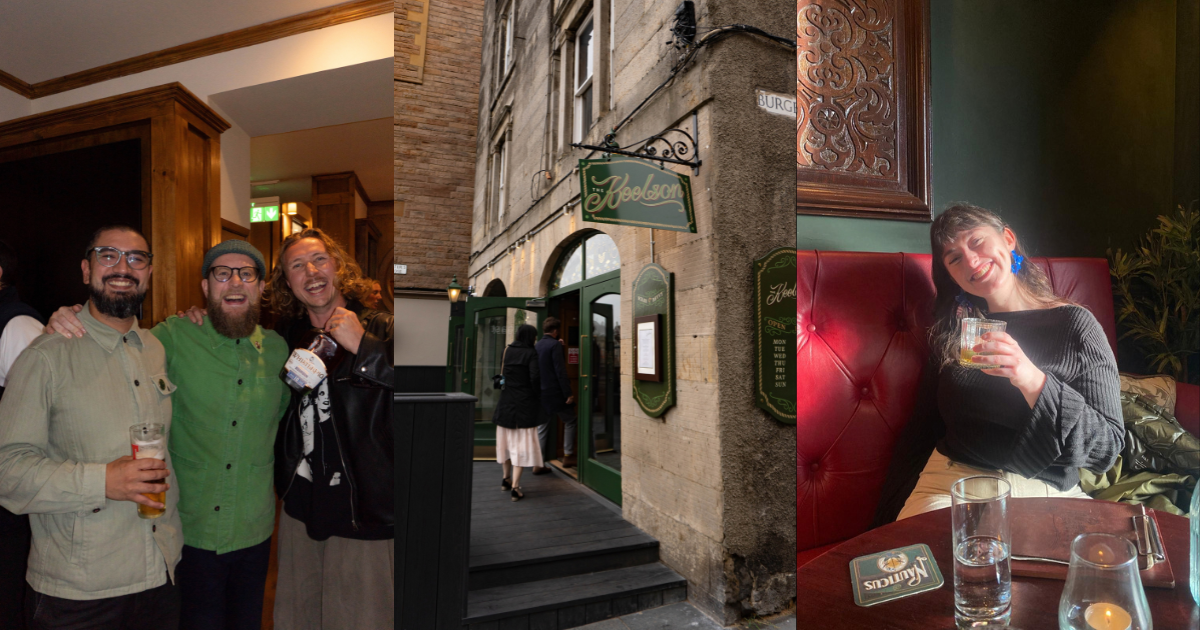
Neither Nauticus, Dogstar, nor the Keelson were built around a market gap or trend. They were built because they are the types of places Mike and Kyle wanted to drink:
“It’s the place where we want to drink. Where our friends want to drink. We thought, what’s cool? What’s comfortable?”
Nauticus was inspired by locally focused bars like Bad Frankie in Melbourne, which stocks only Australian products. They applied the same logic to Scotland. Everything in Nauticus is Scottish, because that’s what they care about.
Which is why a cold-call Mezcal pitch doesn’t go very far.
Kyle explains: We’ve had a couple of people come in, just a cold call, saying:
“We’ve got this tequila for you to taste, and a Mezcal”
His response is always the same: “Our whole ethos is using only Scottish products”
They still push back: “You want to taste the Mezcal then?”
“Is it made in Scotland?”
Mike and Kyle aren’t hard to work with. They just know exactly what they want, and they won’t pretend otherwise. If you haven’t done your homework, you don’t get in.
Every brand relationship they enter has to fit their concept, and most importantly, they have to taste good. The brands that make it into their bar earn their loyalty; the ones that don’t- brands that haven’t done their research and don’t understand what they are all about- get nowhere.
For the brands that do fit, the conversation is direct. That support can often look different from what brands expect: music nights with £8 cocktails for locals, subsidised by the brand; stock retro over cash retro; a training budget written into every listing contract, where the brand comes in and educates the team; everyone gets something from it.
“We do most of the work, and the brand aligns with us”
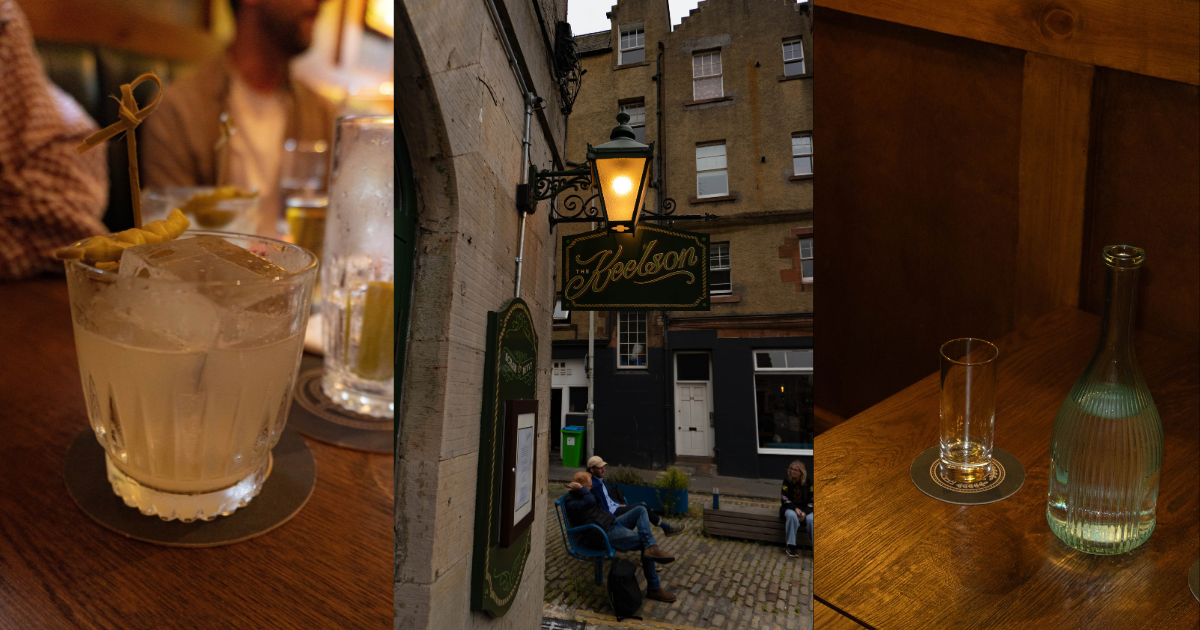
They know what good brand investment looks like in a physical space. Schwepps sourced them a vintage Art Deco mirror that fits the Nauticus aesthetic perfectly. Hendrick’s customised a bottle label to match the Nauticus font. Neither required a huge budget, but they both required a bit of thought from someone who’d actually been to the bar.
The commercial case for getting this right is palpable. NielsenIQ’s research found that 62% of consumers are likely to repurchase a drink at retail if they first enjoyed it on-premise. A bar listing is a pipeline, and with 58% of consumers globally willing to pay extra for quality in a bar or restaurant, the market for thoughtfully curated, quality-first venues like Nauticus and The Keelson is growing.*
WHERE HAVE ALL THE BRAND AMBASSADORS GONE?
Ten, fifteen years ago, the brand ambassador role worked because of who filled it.
“Brand ambassadors where always bartenders or brand managers that you knew of, that you looked up to. They’re a bit thin on the ground now.”
The data makes the stakes clear. 88% of bartenders make a drink recommendation every single shift - and 95% say the guest goes on to order it.* The channel works.
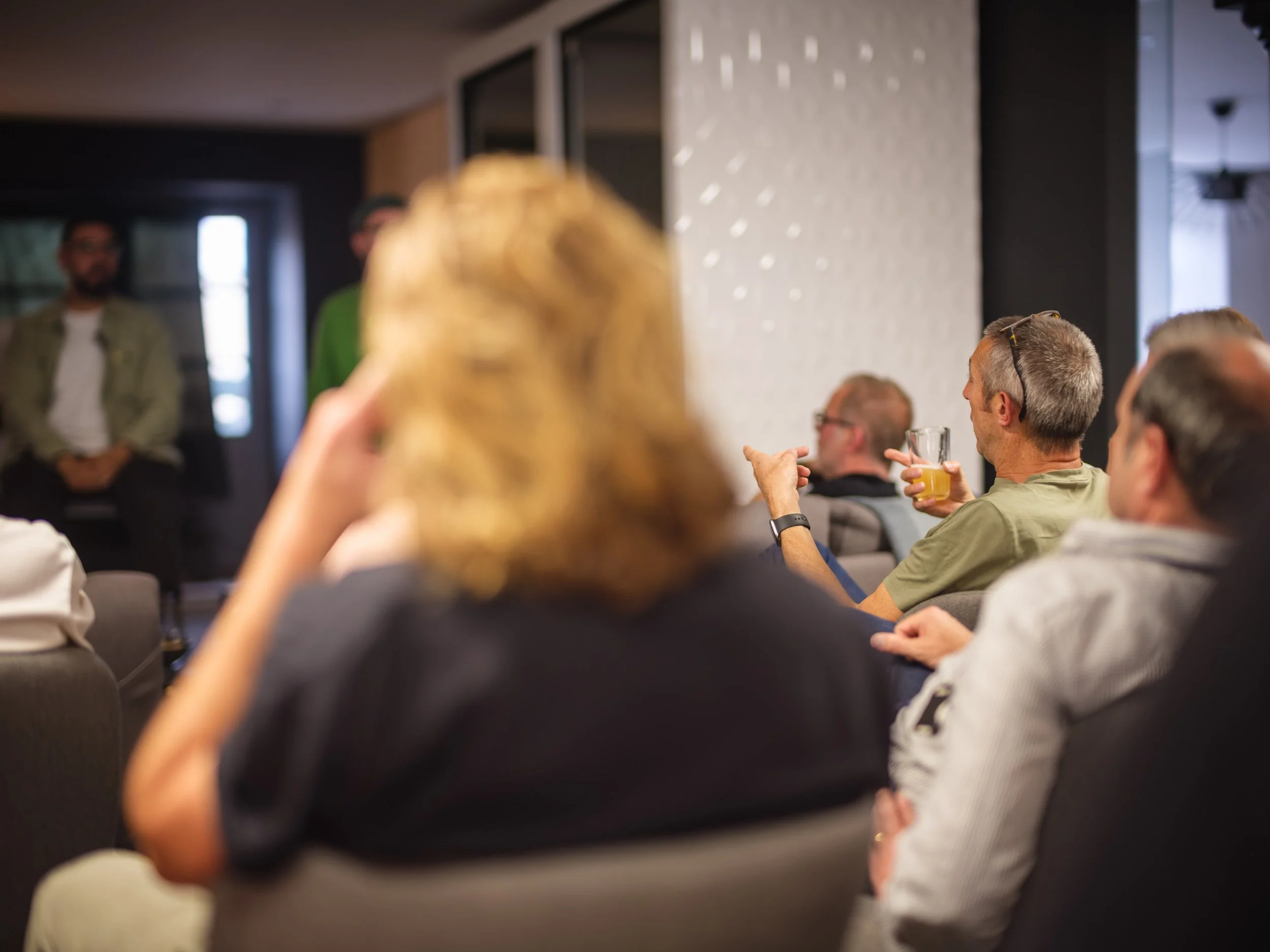
The question is whether brands are in a position to benefit from it. That depends almost entirely on the relationship they’ve built with the person behind the bar. And the more experienced that person is, the harder it is to get in their good books. Research shows that seasoned bartenders are significantly more likely to advocate for distinctive, lesser-known brands over familiar crowd-pleasers, making the relationship brands have with their most experienced trade contacts even more commercially significant.*
Mike remembers a young Stevie Martin visiting him at Monteith’s- turning up with samples, saying to give World Class a go and work on a drink, and that he’d come back in a few days to see it. That kind of investment was personal, and the relationship meant something.
The best brand education Mike and Kyle have experienced follows that logic. Kyle went to the Bruichladdich Islay Academy in 2012, spent two days foraging on Islay, met the team, and went on warehouse tours. Over a decade later, he still tells those stories to customers while pouring them a dram of Bruichladdich.
“It was the experience; a lot of brands have done stuff like that, but Bruichladdich really stood out.”
That’s return on investment: a decade of loyalty and a story that gets told to countless customers. Brands that invest and educate the trade can create lifelong advocates because they do something worth remembering. Kyle went to Islay in 2012, and he’s been telling that story ever since.
Compass Box sent John Glazer, the founder, into the bar personally to take the team through the blending process. They blended their own whisky. William Grant’s 1881 collective brought in Joseph Youssef (one of Heston Blumenthal’s team), who opened Mike’s eyes to the relationship between flavour, light, sound and environment in a way that changed how he thinks about hospitality.
These are brand interactions that Mike and Kyle still talk about years later. Not because they were expensive, but because they were genuine and they taught them something meaningful.
The ones that don’t land often don’t offer bartenders anything helpful: a trip that’s just a marketing exercise with a nice hotel, or an ambassador with talking points that have no connection to what the guys experience day-to-day.
HOSPITALITY AS A CAREER
COVID changed hospitality. Four-day weeks contracted 40 hours; overtime paid on top. Hospitality isn’t the free-for-all it used to be. Because of that, people aren’t jumping from bar to bar the way they used to.
“Life balance is a big thing. That’s how we’re keeping our teams together.”
“It’s a career, and it’s being treated like one. It’s not like you’re getting your rota on Sunday night and working 70 hours over the next week.”
Their hiring philosophy follows the same logic: hire personality, hire people with a good work ethic and teach them. The technical skills come; being a good fit doesn’t.
They also invest in development beyond their bar. They sent one of their team to Islay recently, and he got to go to Port Ellen Distillery. They told him:
“Want more of that? Keep working.”
The loop is simple: invest in people, people stay, people improve. It sounds obvious, but for a long time, the industry didn’t do it.
What stands out from an afternoon with Mike and Kyle isn’t a single opinion. It’s the care and consistency that goes into every decision: what goes on the menu, which brands get a listing, how the team is treated; it all runs through the same filter. Does it fit the place? Does it taste good? Is it honest?
Mike and Kyle will work with you. They’ll give you real estate on their bar, real loyalty from their team, and a genuine story behind every pour. But you have to earn it. And earning it starts with understanding what they are building and caring enough to fit into it, rather than expecting them to fit around you.
want to be in the room next time?
Straight Up happens live, with a small audience. We’ll be announcing the next session through our newsletter - sign up below if you’d like to be there.